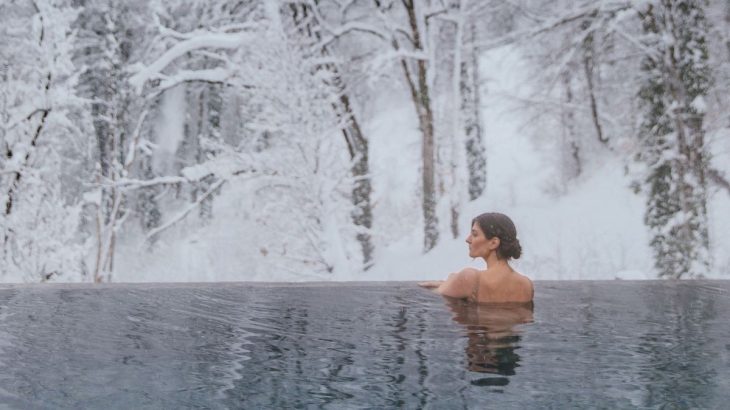
Here’s how Canadian’s do it –
For most Canadians, the outdoor swimming season is short. By late September or October, cooler temperatures arrive, leaves begin to fall, and pools are winterized until spring. That means one of the largest investments in your backyard sits unused for nearly half the year—or even longer in many parts of Canada.
A winter pool enclosure changes that entirely.
Designed to withstand Canadian winters, a professionally engineered pool enclosure transforms an outdoor swimming pool into a comfortable, protected environment where you can swim throughout the year. Whether you live in Ontario, Quebec, British Columbia, Alberta, Manitoba, or Atlantic Canada, a four-season pool enclosure lets you enjoy your pool regardless of snow, ice, wind, or freezing temperatures.
For homeowners, it means extending the swimming season well beyond summer while reducing maintenance, lowering heating costs, and protecting your investment. For hotels, condominiums, fitness centres, and aquatic facilities, it creates year-round revenue opportunities and a better experience for guests.
However, not every pool enclosure is designed for Canada’s climate. Heavy snow loads, strong winds, freezing temperatures, and repeated freeze-thaw cycles require advanced engineering that goes far beyond a simple pool cover or seasonal structure.
In this guide, we’ll explain everything you need to know about winter pool enclosures in Canada—how they’re engineered, how they perform in harsh winter conditions, the best heating options, and why choosing the right manufacturer makes all the difference when investing in a year-round pool enclosure.
Why a Winter Pool Enclosure Is Worth the Investment in Canada
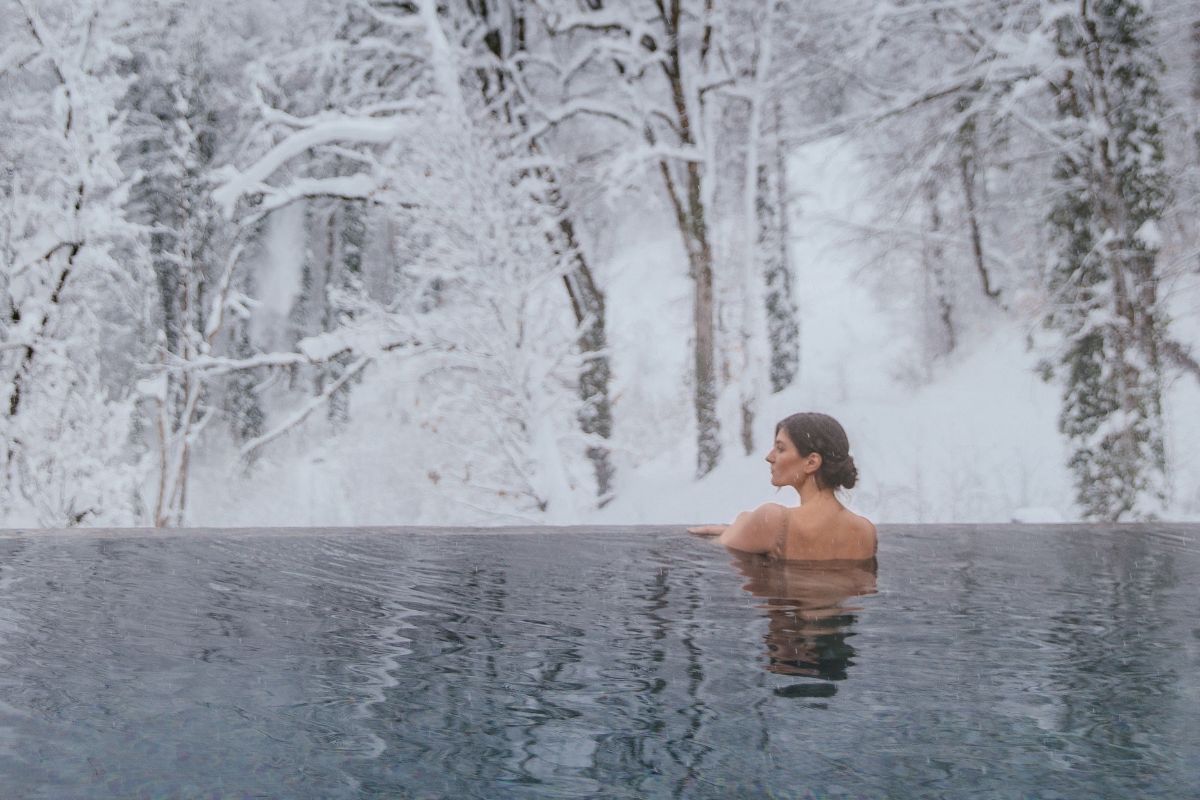
A winter pool enclosure offers far more than the ability to swim during the colder months. It transforms your swimming pool into a true four-season living space while protecting your investment and reducing ongoing operating costs.
Swim Year-Round
The biggest advantage is simple—you can continue enjoying your pool throughout every season.
Instead of closing your pool for six to eight months each year, a winter-rated enclosure allows your family to swim comfortably even when outdoor temperatures fall well below freezing. Whether it’s morning laps in February, an evening swim after work in November, or entertaining friends during the holidays, your pool remains a functional part of your home year-round.
For commercial properties, extending the swimming season means increased revenue, higher guest satisfaction, and better utilization of an expensive amenity.
Protect Your Pool from Snow, Ice, and Debris
Canadian winters can be hard on outdoor pools.
Snow accumulation, freezing rain, fallen branches, wind-blown debris, and repeated freeze-thaw cycles all contribute to seasonal wear and expensive spring cleanups.
A pool enclosure provides a permanent barrier that protects the water, pool equipment, decking, and surrounding landscape from the elements. Instead of uncovering a dirty, debris-filled pool each spring, you’ll enjoy a cleaner, better-protected swimming environment throughout the year.
Reduced Heating and Chemical Costs
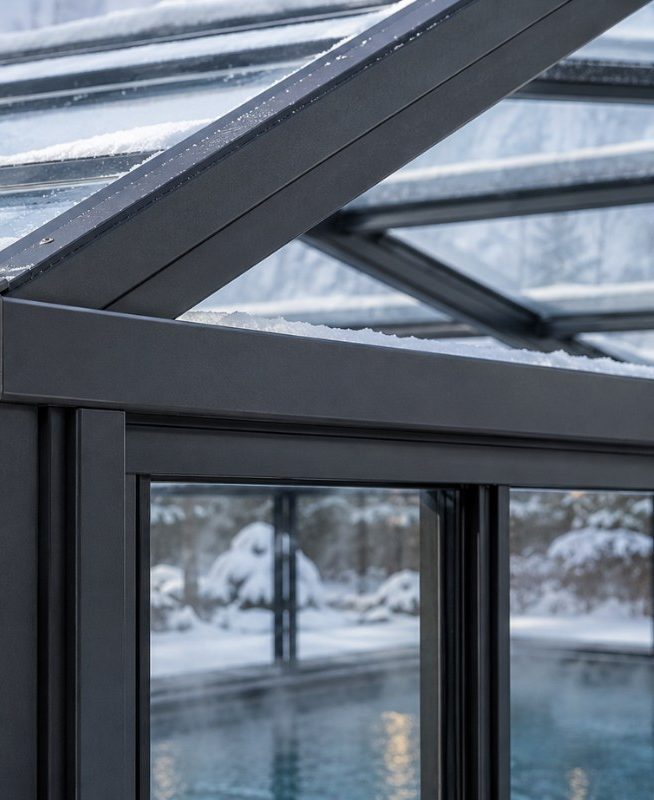
Enclosures trap solar heat during the day and dramatically reduce heat loss at night. Even without supplemental heating, an enclosed pool stays significantly warmer than an exposed one. Water evaporation drops as well, which means you use fewer chemicals to maintain proper balance. Over a full year, these savings compound.
Lower Maintenance Demands
No leaves in the water. No algae blooms triggered by uncontrolled sunlight. No freeze-thaw damage to exposed coping. Pool owners with enclosures consistently report that maintenance becomes simpler and less time-consuming, even when they’re using the pool more often.
Comfort Beyond the Water
A well-designed enclosure isn’t just a pool cover with walls. It creates an indoor-outdoor living space. On a cold Saturday afternoon, the air inside an enclosed pool area can be 20 to 30 degrees warmer than the air outside. Add patio furniture, and you’ve got a usable entertaining space that works in every season.
How Pool Enclosures Handle Snow and Cold Weather
Winter performance is where engineering separates a reliable enclosure from a liability. Snow doesn’t just sit gently on a roof; it accumulates, drifts, melts, refreezes, and adds enormous weight over days or weeks. Cold temperatures stress materials and joints. Wind creates uplift forces that can peel panels off a poorly built frame. Here’s how serious enclosure manufacturers address each of these challenges.
Structural Framing: Aluminium as the Foundation
The frame is everything. Covers in Play builds enclosures with extruded aluminium structural framing, a material chosen for specific engineering reasons. Aluminium doesn’t rust, even after years of exposure to pool chemicals, humidity, and winter moisture. It maintains its structural integrity across extreme temperature swings, from minus 30°C winter nights to plus 35°C summer afternoons. And it’s strong enough to support heavy snow loads without the bulk and visual weight of steel.
Critically, Covers in Play’s framing systems use no cross-bracing. The structural profiles are designed to be self-supporting, which means cleaner sightlines, more natural light, and a structure that looks like architecture rather than scaffolding. That structural preloading also means the frame resists both downward snow loads and lateral wind forces without relying on additional internal supports.
Snow Load Ratings: Designed for Real Winter Conditions
Every region in Canada has specific ground snow load requirements that structures must be engineered to withstand, as outlined in the National Building Code of Canada and local municipal building codes. These loads are typically measured in pounds per square foot (psf) or kilonewtons per square metre (kN/m²). In many parts of Canada—including Ontario, Quebec, the Prairie provinces, and mountainous regions—snow loads can exceed 50 psf. When drifting snow, ice accumulation, and freeze-thaw cycles are taken into account, the real-world structural demands can be even greater.
Covers in Play engineers each enclosure for the specific snow load requirements of its installation site. This isn’t a one-size-fits-all calculation; it accounts for roof pitch, span width, local code requirements, and the accumulation patterns specific to each property. The result is a structure rated to carry the snow your climate actually delivers, with appropriate safety factors built in.
Roof Profile and Span Engineering
Roof shape matters more than most buyers realize. A single-peak profile sheds snow differently than a triple-peak or multi-peak configuration. Steeper pitches encourage snow to slide off naturally, reducing the static load on the frame. Wider spans require heavier framing members or intermediate supports.
Covers in Play offers multiple roof profiles, including single peak, double peak, and triple peak configurations, each engineered for different span requirements and aesthetic preferences. The choice of profile is driven by both structural need and the architectural character of the surrounding property.
Glazing Materials: Strength, Insulation, and Light
The panels that fill the frame do more than let in light. In winter, they need to resist impact from ice and wind-driven debris, insulate against heat loss, and maintain clarity under temperature differentials that cause condensation.
Three primary glazing materials are used in pool enclosures:
- Polycarbonate (multiwall): Lightweight, excellent impact resistance, good insulating properties due to the air channels within multiwall sheets. Often the most practical choice for winter enclosures because of its combination of thermal performance and durability.
- Solid polycarbonate or acrylic: Higher optical clarity than multiwall panels, with strong impact resistance. Used where visual transparency is a priority.
- Glass (tempered or laminated): The highest clarity and most architectural appearance. Heavier than polycarbonate, with different insulating properties depending on whether single, double, or insulated glass units (IGUs) are specified.
Covers in Play works with all three materials, selecting the right glazing based on the project’s climate demands, aesthetic goals, and budget. For cold-weather installations, multiwall polycarbonate is frequently recommended because its inherent insulating value reduces heat loss, and its flexibility under impact makes it resistant to hail and ice damage.
Heating Options for Winter Pool Enclosures
An enclosure by itself extends the pool season significantly through passive solar gain. On a clear winter day, the air inside an enclosed pool area can rise well above the outside temperature, even without supplemental heating. However, for true four-season, year-round swimming in Canada’s colder climates, an active heating strategy is recommended.
Hydronic Heating Systems
Covers in Play’s engineers design site-specific hydronic heating systems for enclosures where year-round use is the goal. Hydronic systems circulate heated water through tubing, typically embedded in the pool deck or mounted along the base of the enclosure walls. They’re efficient, quiet, and deliver even, comfortable warmth throughout the enclosed space. These systems can be controlled on-site or remotely and programmed for daily, weekly, or vacation schedules. Heading home from the office at 3 p.m.? Tell the system to warm up, and the enclosure is comfortable by the time you arrive.
Pool Water Heating
The pool water itself needs to stay at a swimmable temperature. Heat pumps, gas heaters, and electric resistance heaters all work within an enclosed environment, but their efficiency improves dramatically once an enclosure is in place. The enclosure eliminates wind-driven evaporation, which is the single largest source of heat loss from a pool. Owners regularly report cutting their heating costs by 50% or more after enclosing a pool, simply because the water retains heat so much more effectively.
Solar Heat Gain
Even in winter, the greenhouse effect inside an enclosure is significant. Sunlight passes through the glazing, warms the interior surfaces, and that heat is trapped. On sunny winter days, the interior temperature can be 15 to 25 degrees Celsius above the ambient outdoor temperature. Properly oriented enclosures, with the longest side facing south, maximize this passive heating and reduce the load on supplemental systems.
Humidity and Condensation Control
Warm, humid air inside a cold-weather enclosure creates condensation. Left unmanaged, condensation leads to water dripping from overhead panels, reduced visibility, and potentially slippery deck surfaces. Managing humidity requires a combination of ventilation (operable panels, ridge vents, or mechanical ventilation), dehumidification equipment, and air circulation. This is an area where experienced enclosure manufacturers add real value; Covers in Play designs ventilation and air handling into the enclosure from the beginning, rather than treating it as an afterthought.
Retractable vs. Fixed Pool Enclosures for Winter
One of the most important decisions in selecting a winter pool enclosure is whether to go with a retractable or fixed system. Both work in cold climates. The right choice depends on how you want to use the space across all four seasons.
Retractable Pool Enclosures
A retractable pool enclosure gives you the best of both worlds: full protection in winter and an open-air pool in summer. Covers in Play’s retractable systems use a patented drive mechanism that opens and closes the enclosure with the push of a button. In warm weather, the enclosure retracts to create a completely open outdoor pool. When temperatures drop, close it up, turn on the heat, and swim through January.
Key advantages of retractable systems:
- Seasonal flexibility: Open in summer, closed in winter, partially open on mild spring and autumn days.
- Indoor-outdoor conversion: The pool area transitions from a bright, open patio to a fully enclosed room in minutes.
- Automated operation: Covers in Play’s patented drive system requires no manual effort. One button, smooth motion, reliable every time.
- Architectural appeal: When retracted, the enclosure nests compactly, preserving your backyard’s open character.
Fixed Pool Enclosures
A fixed enclosure is a permanent structure, essentially a glass or polycarbonate room built over your pool. Options range from full-frame architectural enclosures to streamlined pool dome designs. It stays in place year-round, providing consistent protection and climate control. Fixed enclosures are often the better choice for owners who prioritize maximum insulation, prefer a permanent architectural addition, or need the enclosure to serve as a full-time indoor pool room.
Key advantages of fixed systems:
- Maximum insulation and climate control: Sealed construction with insulated glazing delivers the best thermal performance.
- Lower mechanical complexity: No moving parts means less mechanical maintenance.
- Permanent room-like environment: Better suited for adding interior finishes, lighting, and climate systems.
Which Is Right for Winter?
Both types handle winter effectively when properly engineered. The deciding factor is lifestyle. If you value the open-air pool experience in warm months and want the flexibility to enclose only when needed, a retractable system gives you that adaptability. If you envision the enclosure as a permanent indoor pool room, a fixed system delivers the most consistent environment. Many Covers in Play clients in cold-weather regions choose retractable enclosures specifically because they want indoor pool functionality in winter without sacrificing the outdoor experience in summer.
Covers in Play’s Snow-Rated Engineering
Not all pool enclosure manufacturers engineer their systems for Canada’s harsh winter conditions. Many enclosures on the market are designed for milder climates, featuring lightweight aluminium frames, thinner single-layer glazing, and structural ratings intended for minimal snow loads and moderate winds. In regions that experience heavy snowfall and strong winter storms, these systems may not provide the structural performance needed for long-term reliability.
Covers in Play has built its reputation on engineering enclosures specifically for harsh climates. Here’s what that means in practical terms.
Patented Structural and Drive Systems
The company holds patents on its retractable drive mechanism, a system designed for reliability in cold weather. Unlike chain-driven or manual systems that can jam when temperatures drop, Covers in Play’s drive system operates smoothly in freezing conditions. The structural framing is also proprietary: extruded aluminium profiles that are structurally preloaded to resist both gravity loads (snow sitting on the roof) and lateral loads (wind pushing against the walls and panels).
High Snow-Load Capacity
Every Covers in Play enclosure is engineered for the snow load requirements of its specific location. For installations in heavy-snow regions, the company designs framing members, connection details, and roof pitches to handle loads that meet or exceed local building code requirements. This isn’t guesswork; it’s structural engineering backed by calculations, load testing, and decades of real-world performance in Canadian winters.
Roof Profiles Built for Snow Shedding
Covers in Play offers single-peak, double-peak, triple-peak, and multi-peak roof configurations. Steeper peak profiles encourage snow to slide off the enclosure rather than accumulate, reducing the static load on the structure. For wider spans, multi-peak configurations distribute loads across multiple arches, maintaining structural integrity without the need for bulky internal columns. Each project’s roof profile is selected based on the pool dimensions, property architecture, local snow patterns, and the owner’s aesthetic preferences.
Wind Resistance Without Cross-Bracing
Wind is the other major cold-weather challenge. Winter storms bring gusts that create uplift on roofs and lateral pressure on walls. Covers in Play’s framing is designed to resist these forces without cross-bracing, which would block sightlines and reduce the interior feeling of openness. The structural preloading built into the frame profiles handles wind forces internally, keeping the enclosure visually clean and structurally sound.
Long-Term Durability
The company states a 50-plus-year lifespan with minimal maintenance and backs its enclosures with a 20-year warranty. That kind of longevity requires materials and construction methods that don’t degrade under repeated freeze-thaw cycles, continuous humidity exposure, and years of snow loading. Aluminium framing, stainless steel fasteners, marine-grade hardware, and UV-stabilised glazing panels all contribute to a structure that performs decade after decade.
Winter Maintenance Tips for Pool Enclosures
A well-built enclosure requires far less winter maintenance than an exposed pool, but it’s not zero. Here are the practical steps to keep your enclosure performing through the cold months.
Snow Management
Most properly pitched enclosures shed snow naturally. However, if heavy, wet snow accumulates, especially after a prolonged storm, it’s good practice to monitor the load. Never use metal shovels or sharp tools on glazing panels. A soft-bristle roof rake, used gently from the ground, can help clear heavy accumulations if needed. In most cases, the enclosure’s engineered pitch and structural capacity mean you won’t need to intervene.
Ventilation and Condensation Control
In winter, keep ventilation systems active. Warm, humid air from the pool surface rises and meets cold glazing panels, creating condensation. Running ventilation fans, opening operable panels briefly during mild spells, and using a dehumidifier if installed will keep condensation manageable. Persistent condensation can indicate that the air handling setup needs adjustment; consult your installer if you notice ongoing dripping.
Glazing and Frame Cleaning
Clean the interior glazing panels periodically to prevent mineral deposits from pool water spray. Use a mild, non-abrasive cleaner and soft cloths. Exterior panels benefit from an occasional rinse, though winter rain and snowmelt handle much of this naturally. Inspect aluminium frame joints and seals annually for any signs of wear, and clean the track system on retractable enclosures to ensure smooth operation.
Retractable System Checks
If you have a retractable enclosure, run it through a full open-close cycle periodically during winter, even if you’re keeping it closed most of the time. This keeps the drive mechanism exercised and ensures the tracks stay clear of ice or debris buildup. Covers in Play’s automated systems are designed for cold-weather operation, but regular use keeps everything moving freely.
Pool Water Chemistry
Inside an enclosure, water chemistry behaves differently than in an open pool. Reduced UV exposure means chlorine lasts longer, and less debris enters the water. You may find you need fewer chemicals overall, but regular testing is still important. Maintain proper pH, alkalinity, and sanitiser levels throughout the winter to protect both the pool surface and the enclosure’s interior components.
Frequently Asked Questions
Can a retractable pool enclosure handle heavy snow?
Yes. Covers in Play engineers each retractable enclosure for the specific snow load requirements of its installation location. The aluminium framing is structurally preloaded to carry heavy snow without cross-bracing, and roof pitches are designed to encourage natural snow shedding. Each project is calculated to meet or exceed local building code requirements for snow loads.
How much warmer is it inside a pool enclosure during winter?
On a sunny winter day, passive solar gain alone can raise the interior temperature 15 to 25°C above the outside air temperature. With supplemental heating, such as a hydronic system, the enclosed space can be maintained at comfortable swimming temperatures regardless of conditions outside.
What type of heating works best for a winter pool enclosure?
Hydronic heating is the most efficient and commonly recommended option for Covers in Play enclosures. It circulates heated water through tubing in the deck or along enclosure walls, providing even warmth. Pool water heaters (heat pumps or gas) work alongside the enclosure’s heat-trapping properties to maintain comfortable water temperatures. Learn more in our guide on how to heat a pool enclosure.
Will condensation be a problem inside the enclosure during cold months?
Some condensation is normal when warm, humid air meets cold glazing panels. However, proper ventilation, including operable panels, ridge vents, and mechanical ventilation or dehumidification, keeps it under control. Covers in Play designs ventilation and air handling into the enclosure from the project’s start, so condensation is managed rather than becoming a recurring issue.
How long does a Covers in Play enclosure last?
The company’s aluminium-framed enclosures are built for 50-plus years of use with minimal maintenance and come with a 20-year warranty. The combination of corrosion-resistant aluminium, stainless steel hardware, and UV-stabilised glazing panels ensures long-term performance through decades of harsh winter conditions.
Can I open the enclosure in winter if I want fresh air?
Retractable enclosures can be partially or fully opened at any time, including winter. On a mild, sunny winter day, opening a section brings in fresh air while keeping the pool area protected. The patented drive system operates in cold temperatures, so opening and closing remains smooth and reliable year-round.
Do I need a building permit for a pool enclosure?
In most jurisdictions, yes. Pool enclosures are considered structures and typically require a building permit. Requirements vary by municipality and may involve setback distances, height restrictions, and compliance with local snow and wind load codes. Covers in Play provides engineering documentation and works with local authorities to support the permitting process. For a full overview of what to consider before purchasing, see our pool enclosure buying guide.
What glazing material is best for winter pool enclosures?
Multiwall polycarbonate is the most commonly recommended glazing for cold-climate enclosures. Its internal air channels provide natural insulation, reducing heat loss. It’s also lightweight, impact-resistant (handling hail and ice), and allows abundant natural light. Glass and solid acrylic are available for projects where maximum optical clarity is the priority.
How much does a winter-rated pool enclosure cost?
Costs vary significantly based on pool size, enclosure type (retractable vs. fixed), glazing selection, heating systems, and local engineering requirements. Covers in Play provides custom quotes based on each project’s specifications. Request a free design consultation for a detailed estimate tailored to your pool and climate.
Is a pool enclosure worth it in a cold climate?
For owners who want to swim year-round, reduce maintenance, lower heating costs, and protect their pool from winter damage, a properly engineered enclosure delivers substantial value. It transforms a seasonal asset into a daily-use space. Many owners find it’s the single upgrade that most changes how they use their home, especially during the long months between October and April when the pool would otherwise sit unused.