What Owners Don’t Realize About Endless Pool Maintenance
You invested in a compact swim-current pool to train more — not to constantly test water or troubleshoot equipment. The promise is efficient, year-round swimming in a small footprint. The reality? Tight hydraulics, heaters, covers, and compact equipment bays mean small changes can escalate quickly.
After a long session, pH rises, filters load fast, and temperatures fluctuate overnight. The upside? Once you understand the system, maintenance becomes predictable.
Many owners experience the same cycle: a great workout followed by cloudy water, an unexpected service visit, and lost swim time.
The good news: maintenance doesn’t have to be chaotic.
There are three simple approaches:
- 15-minute DIY checks
- Clear instructions for local technicians
- A structural upgrade to reduce environmental stress
The real advantage isn’t just fixing problems — it’s preventing them.
Why Compact Current Pools Demand Precision
Compact pools operate within tight tolerances where hydraulics, filtration, heating, electrical systems, and water chemistry all interact.
- Small water volume = faster imbalance
- Heavy usage = rapid pH rise
- Dirty filters = reduced flow and heater issues
Everything is connected. A small issue can trigger multiple problems:
- Dirty filter → low flow → heater shutdown
- Air leaks → bubbles → weak current
- Condensation → electrical issues
Consistency is key. Controlled environments reduce stress on all systems.
Common Trouble Spots and Early Warning Signs
Watch for early signs:
- Weak swim current
- Air bubbles in pump
- Cloudy water
- Heater cycling issues
- GFCI trips
Hidden problems build over time:
- Debris re-entering from poor filter cleaning
- Condensation causing corrosion
- Cover misalignment leading to damage
- Unstable chemistry increasing wear
The Cost of Waiting: Downtime and Equipment Wear
Delaying maintenance leads to:
- Reduced circulation
- Heater damage (short cycling)
- Corrosion of electrical components
- Higher energy use
- Unexpected breakdowns
This results in lost swim time and higher repair costs.
Prevention protects both equipment and your schedule.
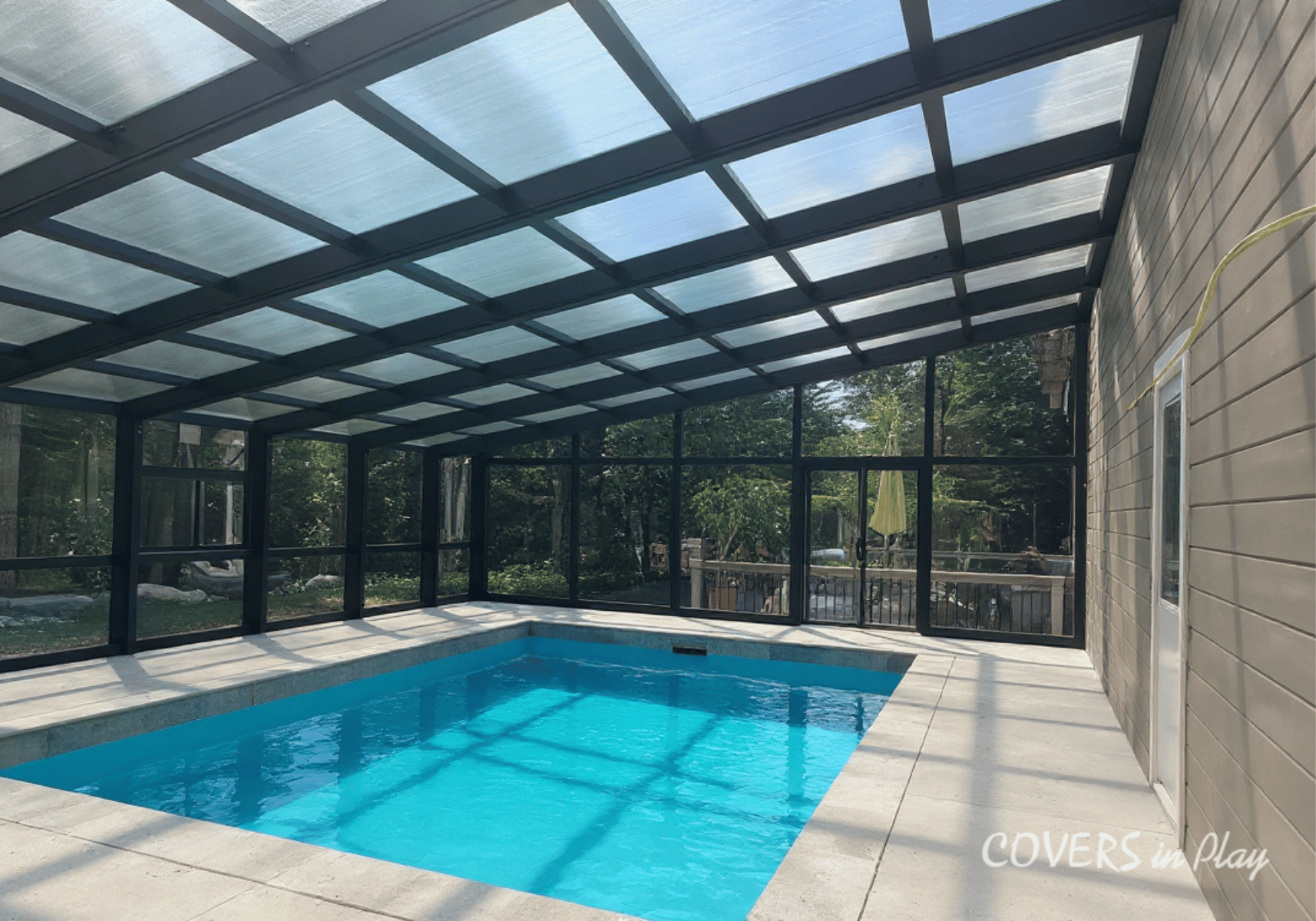
A Three-Path Service Plan You Can Use Immediately
Path A: DIY checks
Path B: Local technician help
Path C: Licensed professionals
Steps to Follow
- Record symptoms and error codes
- Check filters, flow, leaks, and chemistry
- Escalate clearly with photos and details
Service Scripts
- “Check circulation flow and air leaks.”
- “Heater shows error — test sensors safely.”
- “Cover alignment and wear inspection needed.”
Quick Reference Table
| Task | DIY? | Time | Call a Pro If |
|---|---|---|---|
| Replace filter | Yes | 15–30 min | Flow still low |
| Tighten fittings | Yes | 15–20 min | Leak continues |
| Adjust chemistry | Yes | 10–20 min | Unstable levels |
| Heater issues | Limited | 30–60 min | Gas/electrical involved |
| GFCI trips | No | — | Always call electrician |
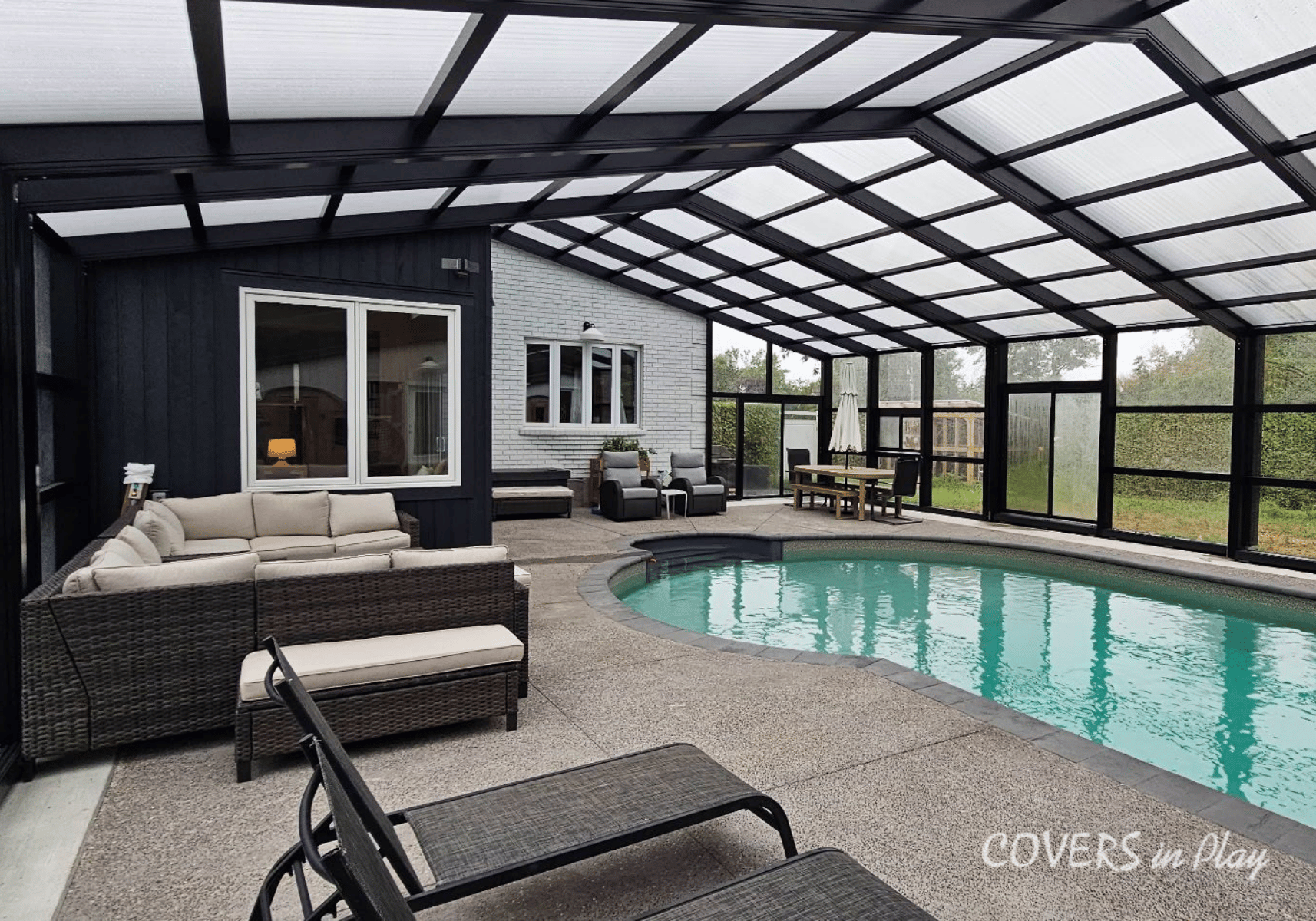
Preventive Maintenance: Control the Environment
Weekly:
- Skim and clean baskets
- Brush surfaces
- Test pH and sanitizer
Monthly:
- Clean filters
- Inspect seals
- Check heater settings
Seasonal:
- Clean cover tracks
- Lubricate parts
- Check system performance
Key targets:
- pH max: 7.8
- Stable sanitizer levels
- Temperature fluctuation under 2°F
If frequent corrections are needed, your environment may be too exposed.
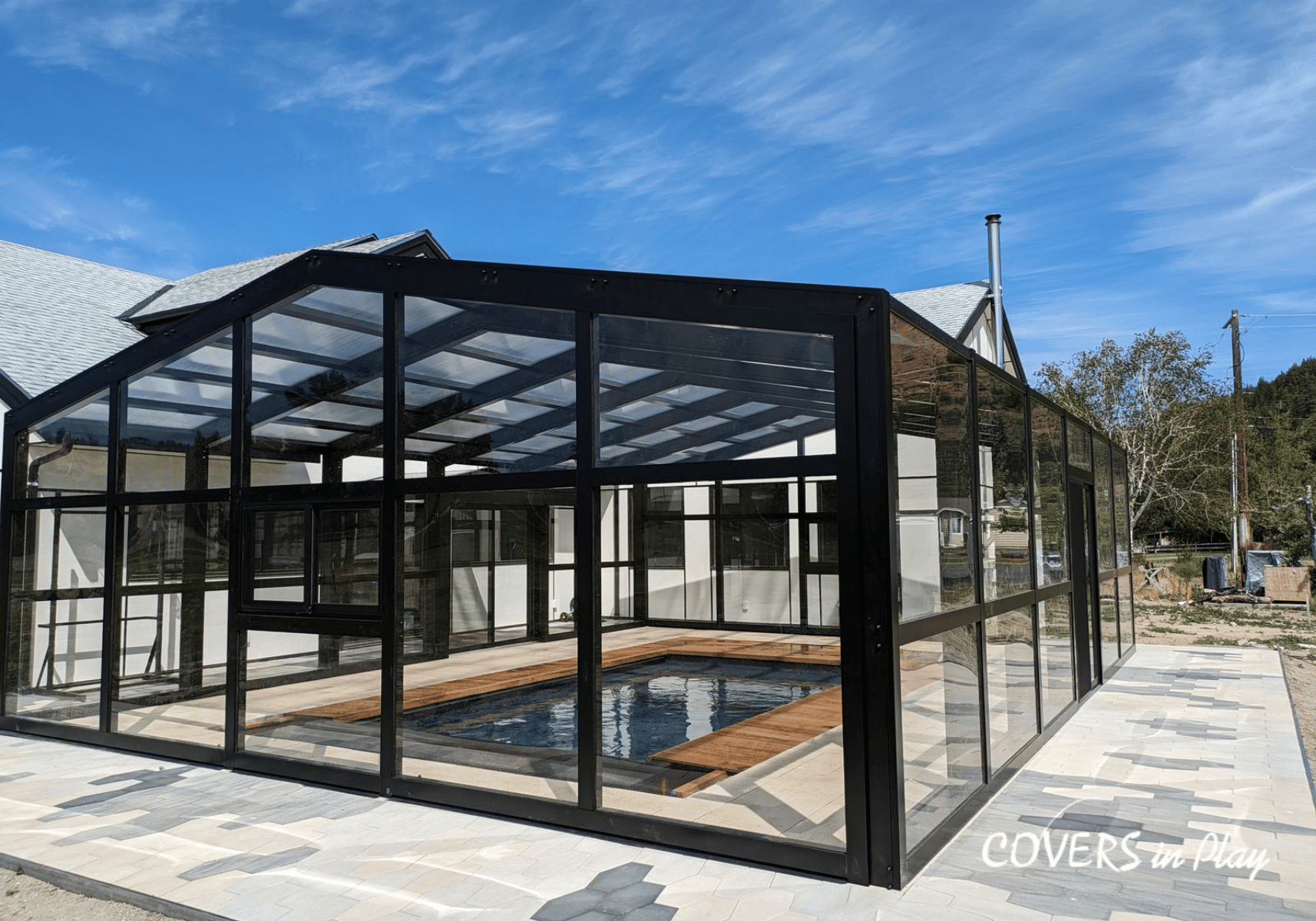
Ownership Comparison: Open-Air vs Enclosed
| Mode | Weekly Time | Stability | Debris | Energy | Repair Risk |
|---|---|---|---|---|---|
| Open-air | 45–75 min | Low | High | High | High |
| Pool cover | 30–50 min | Moderate | Moderate | Medium | Moderate |
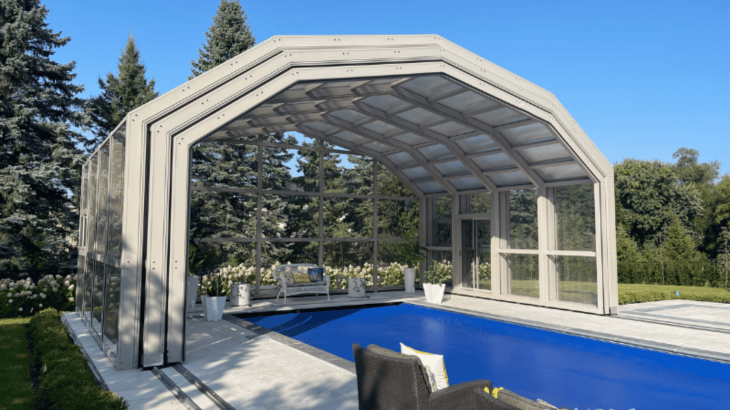
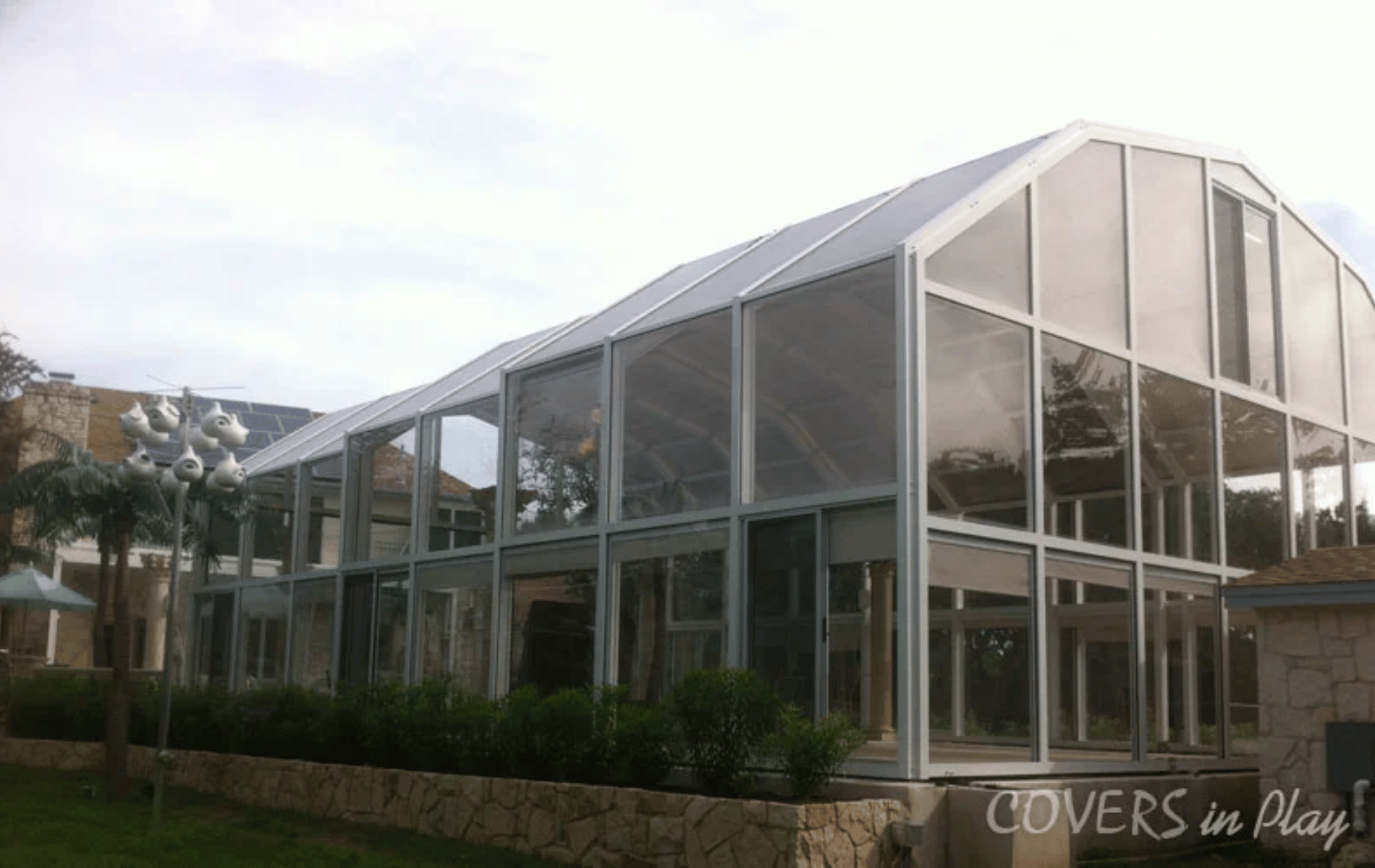
| Enclosure | 20–35 min | High | Low | Low | Low |
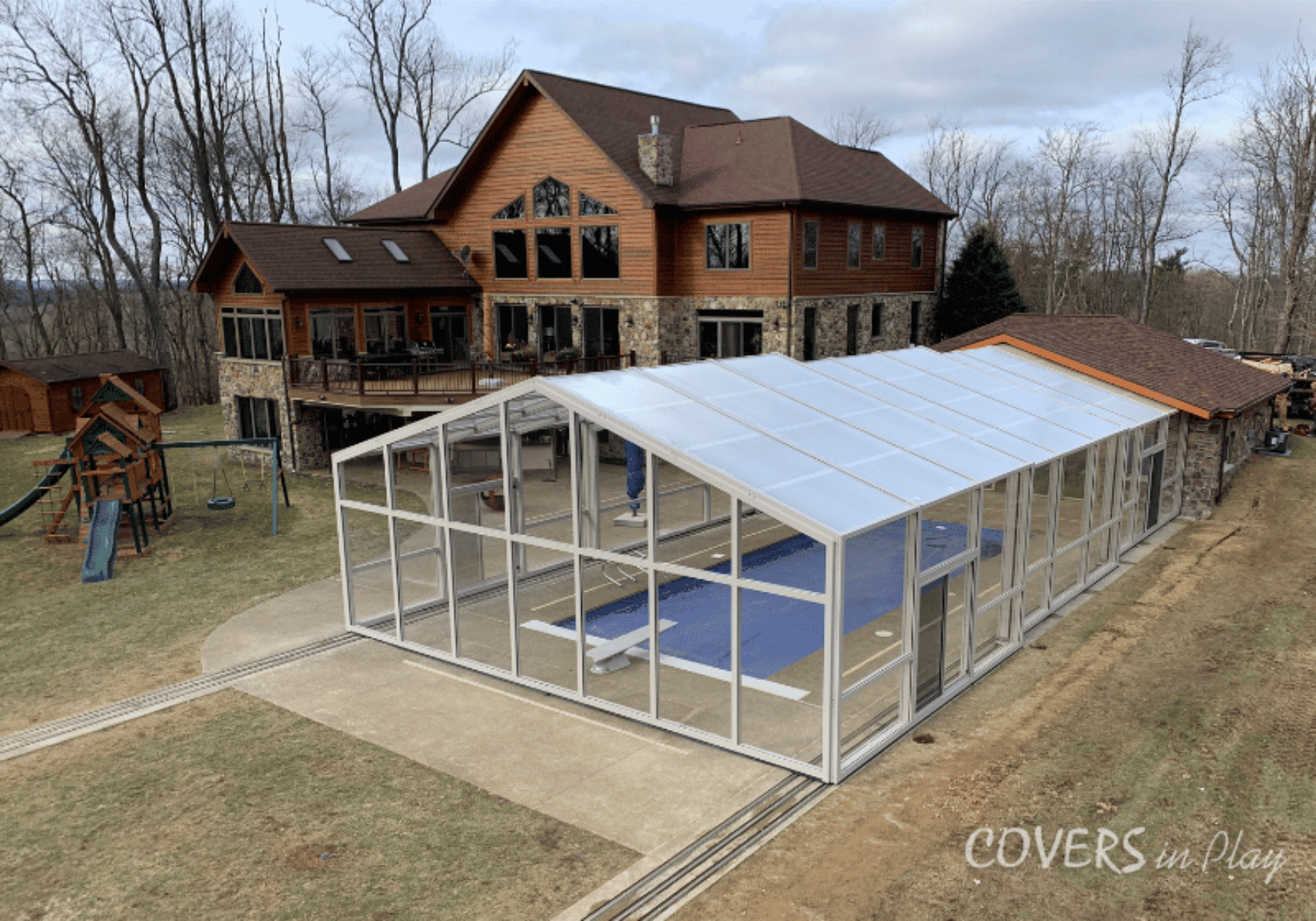
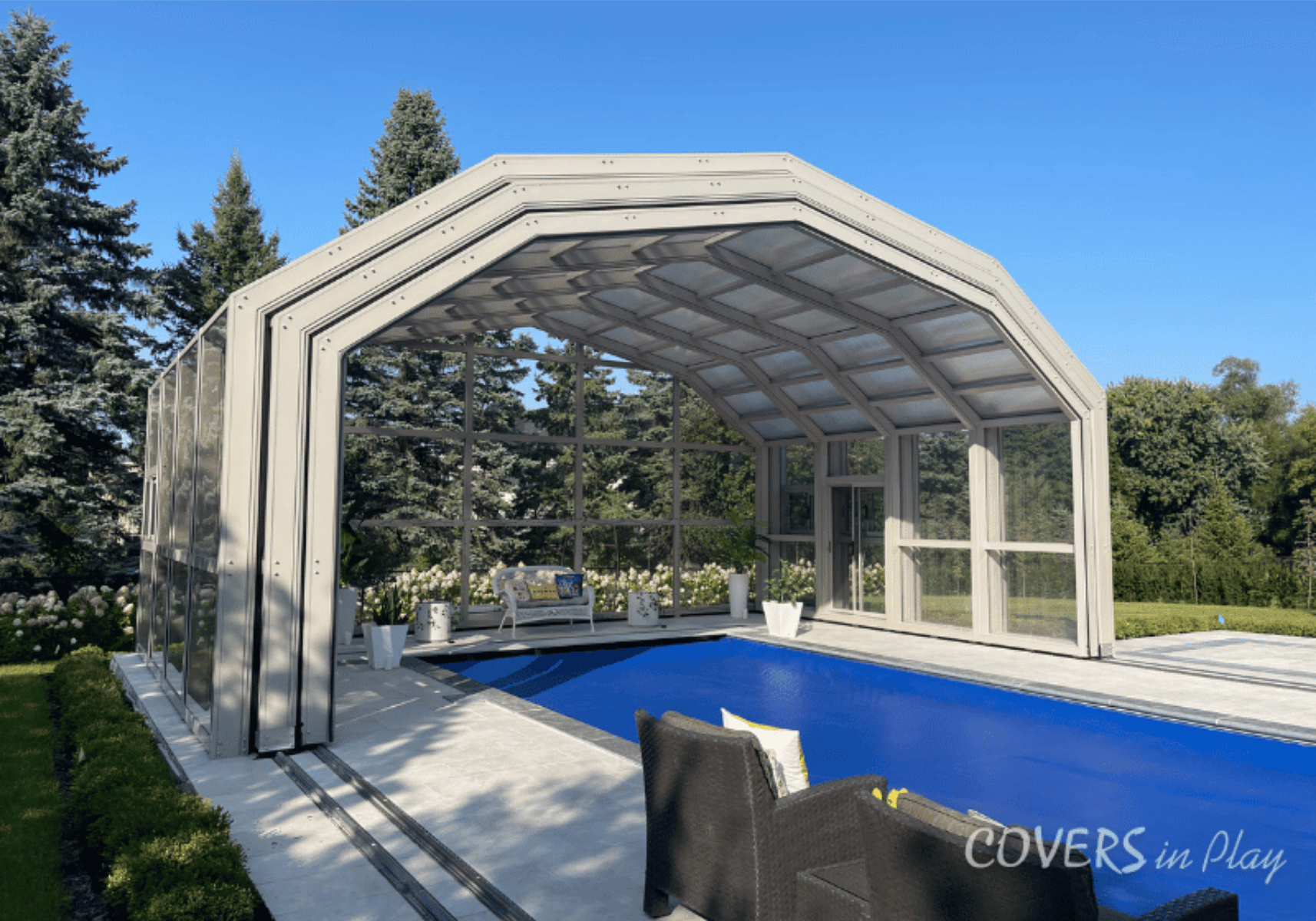
| Retractable | 15–30 min | Very High | Very Low | Lowest | Lowest |
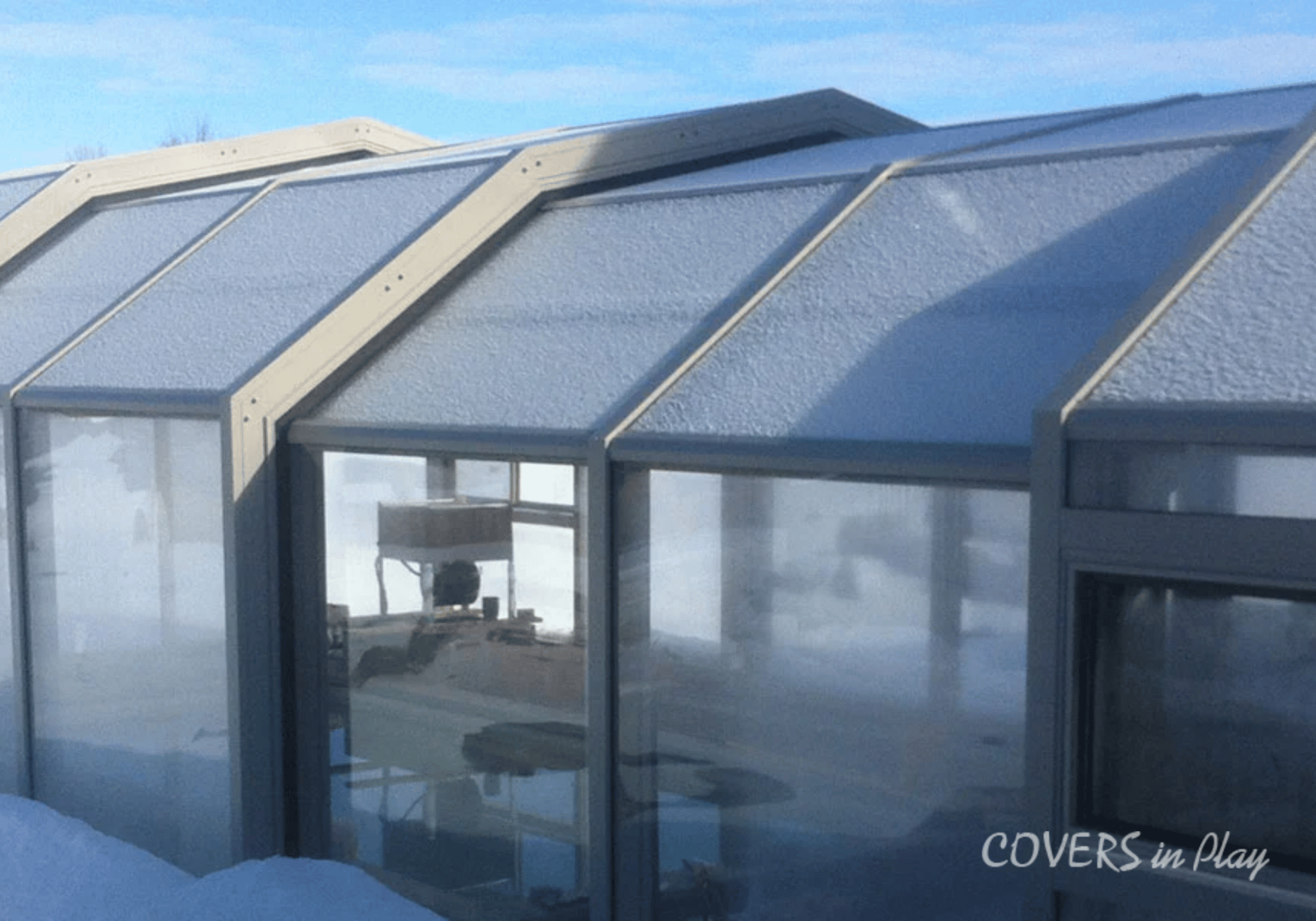
FAQs
How often should systems be serviced?
Weekly checks and monthly filter cleaning are recommended.
Can I do electrical or gas repairs?
No. Always use licensed professionals.
How to find a good technician?
Provide model numbers, photos, and clear symptoms.
Will an enclosure reduce maintenance?
Yes — it stabilizes conditions and reduces workload.
Ready to Swim More and Maintain Less?
Book a consultation to explore how a retractable enclosure can reduce maintenance and extend your swimming season.
You’ll receive:
- Custom design concept
- Maintenance checklist
- ROI estimate
Less maintenance. More swim time.