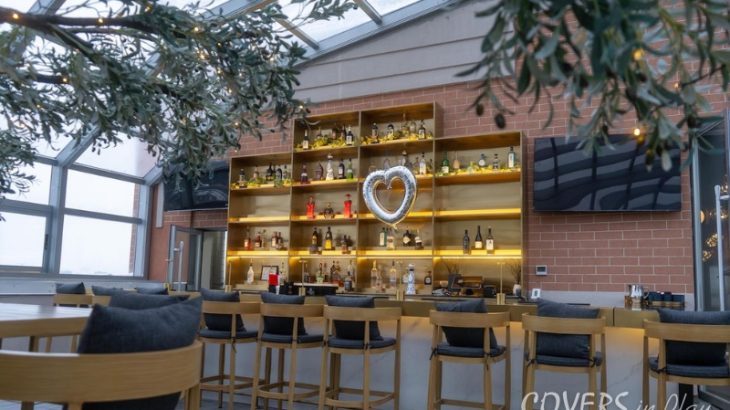
Your most valuable dining room is outside — until the weather decides otherwise.
How Restaurants Turn Patios into Predictable, Profitable Dining Rooms
It’s a packed Saturday night. Fifty-six patio seats turning every 45 minutes. Servers are in rhythm. The kitchen is humming. The bar is ahead on prep. Revenue is tracking exactly where it should be.
Then the forecast shifts.
A sudden gust rolls through. A light drizzle follows. Glassware rattles. Within minutes, the energy changes. The host stand scrambles to reshuffle reservations. Guests glance at the sky. The pacing you so carefully built begins to unravel.
Inside, space is limited. You reseat what you can. A few tables get comped appetizers to ease frustration. Patio cocktails go unfinished. Two servers lose sections. Bartenders over-prepped for a rush that never materializes.
By the end of the night, you’re down two full turns — and perhaps a review or two mentioning “great food, but chaotic service.”
It’s a familiar story for operators who depend on outdoor dining.
But what if the forecast didn’t dictate your revenue?
Imagine keeping the open-air atmosphere when conditions are perfect — and, with a quiet transition, protecting your guests in minutes when they aren’t.
No scrambling. No reseating chaos. No lost turns.
The same seats, the same pacing, the same hospitality standard — uninterrupted.
That’s how forward-thinking restaurants transform patios into reliable, year-round revenue engines.
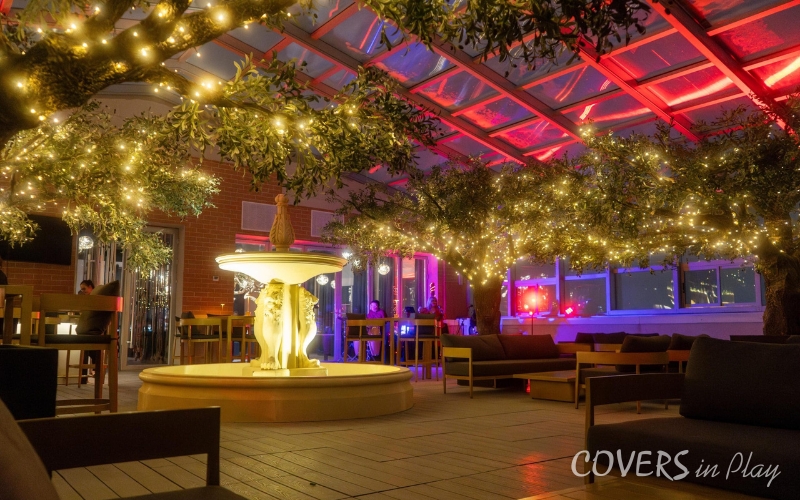
Why Outdoor Seating Matters More Than Ever
Outdoor seating is no longer a seasonal perk — it’s a core revenue driver.
Guests actively seek fresh air, natural light, and open spaces. Meanwhile, indoor capacity is fixed. Patios become the pressure valve when demand rises.
A 40-seat terrace can function as an additional dining room without expanding your lease.
At a $35 average check with 1.5–2 turns, that equals:
- $2,100 to $5,600 projected revenue
Outdoor environments also boost beverage sales and increase guest spending.
But remove that capacity, and everything shifts:
- Fewer turns
- Lower revenue
- Labor inefficiencies
- Operational stress
The challenge: You can’t forecast seating when weather is unpredictable.
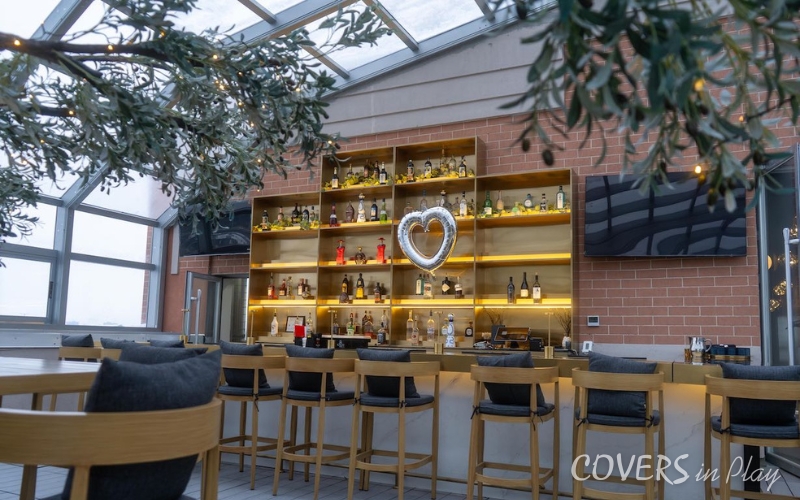
The Unpredictability Trap: Capacity You Can’t Count On
A sudden shower. Wind knocking over umbrellas. Heat waves. Air-quality alerts.
Within minutes:
- Guests move indoors
- Reservations get disrupted
- Servers reset tables
- Kitchen timing breaks
The result:
- Lost revenue
- Poor guest experience
- Negative reviews
Operational issues include:
- Overstaffing or understaffing
- Inventory waste
- Overbooking chaos
Temporary fixes like tents and heaters often create new problems — compliance risks, discomfort, and poor aesthetics.
The real issue isn’t weather — it’s relying on revenue you can’t protect.
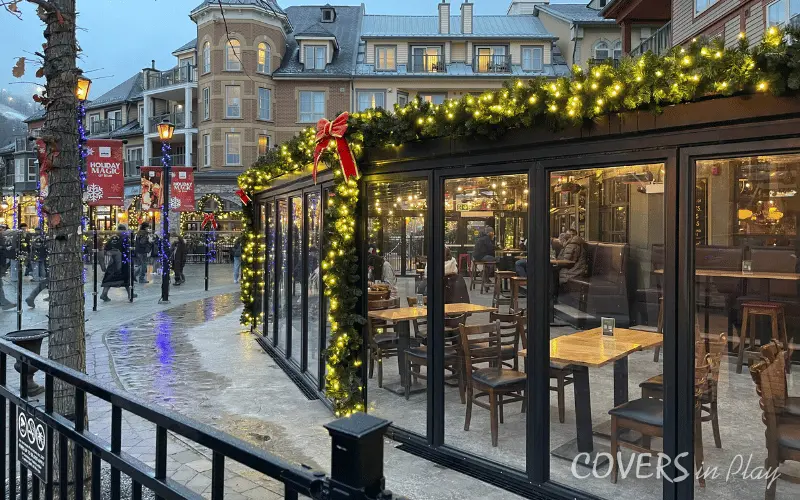
Why Status-Quo Fixes Fall Short
Most solutions provide cover — not control.
- Umbrellas: Limited protection, constant adjustments
- Tents: Poor ventilation, temporary feel
- Fixed roofs: Block light and airflow
- Heaters: Only solve temperature
- DIY enclosures: Code and safety risks
They solve one problem but create another.
What restaurants need is flexibility without compromising experience.
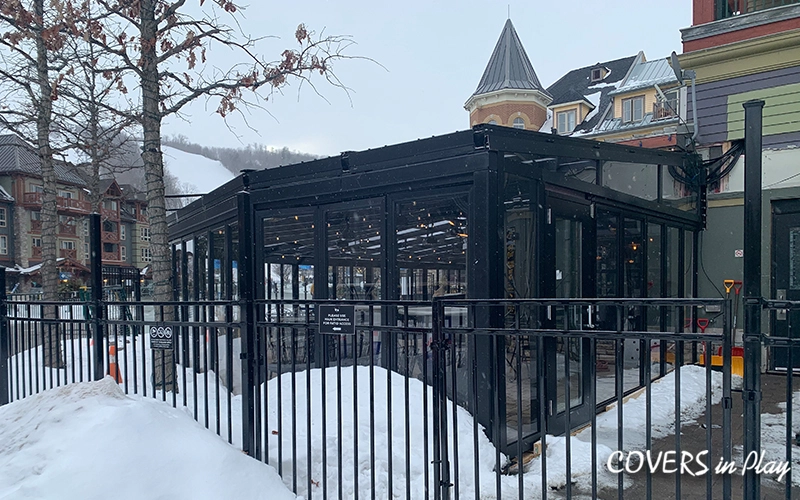
Retractable Structures: Turning Weather into Control
Retractable systems transform patios into adaptable spaces.
- Open during good weather
- Close quickly during rain or wind
- No need to move guests
Benefits:
- Uninterrupted service
- Maintained ambiance
- Protected revenue
Key features include:
- Automated operation
- Structural strength (wind/snow)
- Clear glazing for views
- 20-year warranty
Weather becomes manageable — not disruptive.
Revenue Impact Scenarios
| Scenario | Seats | Turns | Avg Check | Daily Revenue | Payback |
|---|---|---|---|---|---|
| Small Bistro | +16 | 1.5 | $35 | $840 | 8–12 months |
| Brunch Spot | +24 | 2.0 | $28 | $1,344 | 6–9 months |
| Upscale Dinner | +30 | 1.8 | $60 | $3,240 | 4–7 months |
| Rooftop Bar | +40 | 2.5 | $22 | $2,200 | 6–10 months |
Installation Process
The process is structured and minimally disruptive:
- Discovery: Site review, measurements, code checks
- Design: Layout and materials planning
- Engineering: Structural approvals and permits
- Fabrication: Off-site manufacturing
- Installation: Fast, coordinated setup
Typical timeline:
- Design & Permits: 4–8 weeks
- Fabrication: 6–10 weeks
- Installation: 7–12 days
Beyond Dining: Hotels & Poolside Spaces
Retractable systems also benefit:
- Poolside bars
- Hotels
- Rooftop lounges
- Aquatic centers
They allow spaces to stay operational regardless of weather while maintaining guest experience.
FAQs
How does it perform in weather?
Designed for local wind and snow loads with drainage systems and safety controls.
Do you need HVAC?
Often not required due to natural ventilation and sealing capability.
Will installation disrupt service?
Minimal disruption — most work is off-site.
How is comfort maintained?
Adjustable openings, airflow, and optional heating/cooling elements.
Ready to Turn Weather into Advantage?
Send:
- Space dimensions
- Photos
- Seat count
- Turn rate
Receive a feasibility review and ROI estimate within 48 hours.
Full patio revenue — rain or shine.